Signal, not hype
Insights
Honest reads on where AI actually changes software and game development, sourced and cited rather than asserted.

AI + Three.js: Why Browser Game Prototyping Is Getting Faster
WebGPU is production-ready in Three.js, and AI is closing the asset and code gap that used to make browser games slow to prototype. Here's what's actually changing, and what still needs a human.

The Vibe Coding Boom Is Real — Here's What It Doesn't Replace
AI-related freelance demand is up 109% year over year, and vibe-coding tools reached a $4.7B market in 2026. Growth like that is easy to read as 'developers are obsolete.' The data says something more specific.

Is AI Making Junior Developers Obsolete? What the Data Actually Shows
Communities like r/singularity debate whether coding benchmarks have crossed a threshold that makes junior developer roles structurally redundant. The employment and code-quality data tell a more specific — and more ironic — story.

Agentic Commerce: What Happens When AI Agents Do the Shopping
AI agents already research, compare and in some cases initiate purchases without a human clicking 'buy.' Here's what that requires from a storefront, not just what it promises.

The LLM API Price Collapse: What Cheaper Tokens Actually Change
Token prices fell about 80% in 2026 alone. That's not just a cost saving — it makes categories of AI feature viable that didn't clear the unit-economics bar two years ago.

Open Source vs Closed LLMs: What Changed in 2026
Open-weight models used to be the budget option. In 2026 they're closing 70-90% of the capability gap at 5-10x lower inference cost — and enterprise adoption reflects it.

Google AI Overviews and Local SEO: What's Actually Changing
AI Overviews are reshaping search broadly. For local service businesses specifically, the impact is real but narrower than the headlines suggest — and the fix overlaps with GEO fundamentals.

What Adobe Sensei's AI Features Actually Do for Adobe Commerce
Adobe Commerce ships more native AI than most merchants realize, and less standalone agentic autonomy than the marketing implies without the right integration underneath it.
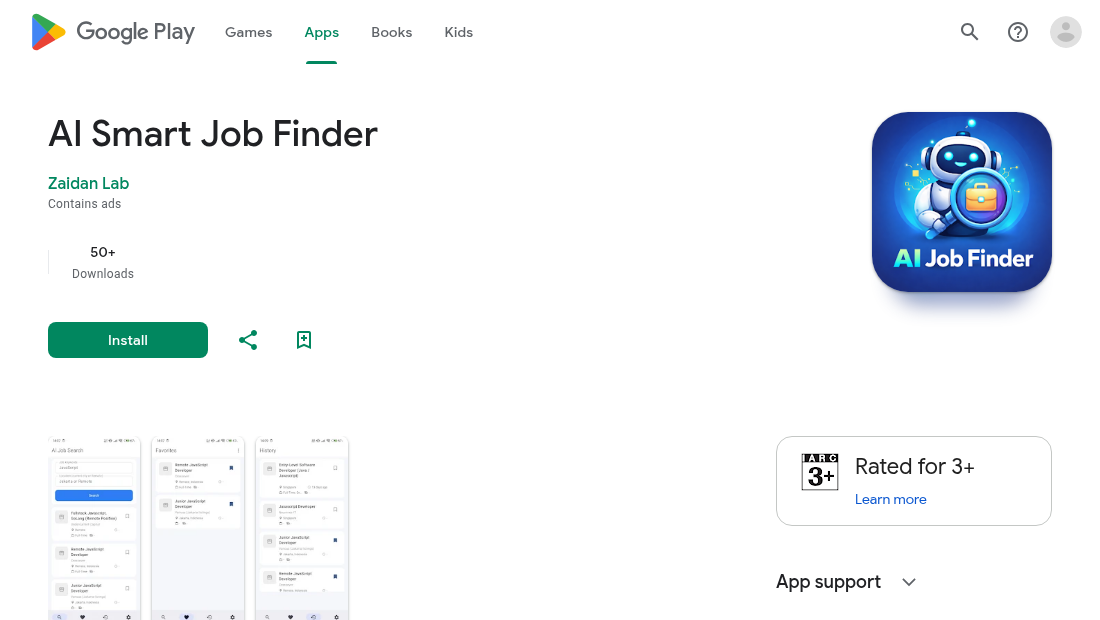
AI Apps Are Eating the App Store
Generative AI apps are on track to be a top-5 mobile app category globally in 2026 — and the revenue concentration inside that category is extreme.

WebGPU Isn't Just for Games
WebGPU reaching baseline support across every major browser in 2026 gets covered as a gaming story. The commercial impact is arguably bigger outside games.

Building Websites AI Agents Can Actually Use
An AI agent can't infer that a button means 'add to cart' from its color and position the way a human can. Agent-ready design makes that explicit instead of visual.

Why Vertical AI SaaS Is Outperforming General-Purpose Tools
A tool built for one industry's actual workflow is beating general-purpose AI tools on retention and returns — not because the model is smarter, but because of what surrounds it.
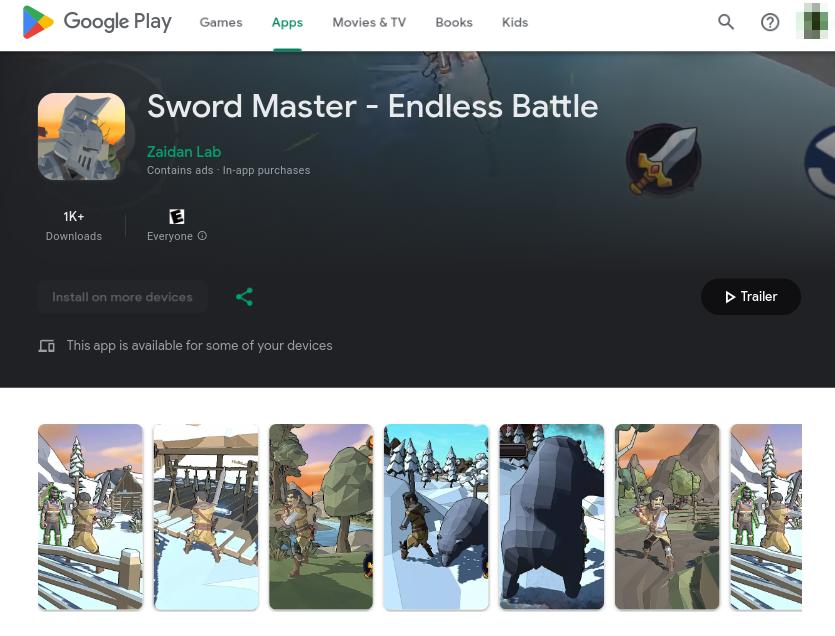
AI in Mobile Game Monetization: What's Real in 2026
AI is already personalizing which offer a player sees. It isn't yet running monetization decisions end-to-end, and regulatory pressure on manipulative mechanics is rising at the same time.
Why Most Enterprise AI Projects Fail
Five independent research organizations, one converging number: 70-85% of enterprise AI initiatives fail to deliver their expected value. The gap between the failures and the successes is specific enough to actually learn from.

AI Memes Are a $6.1B Business Now — Here's the Catch for Brands
Brands can now generate a trend-jacking meme with ChatGPT or DALL-E in minutes. The data suggests the tool isn't the differentiator anymore — knowing whether to post it is.